
The Allure of Casino Environments
The design and atmosphere of casinos play a significant role in attracting players. Bright lights, vibrant colors, and enticing sounds create an immersive experience that stimulates the senses. This sensory overload is intentional, aiming to enhance emotional arousal and draw players into the gaming environment, making them more likely to engage in gambling behavior. For further reading on this topic, visit spiritwrestler.com.
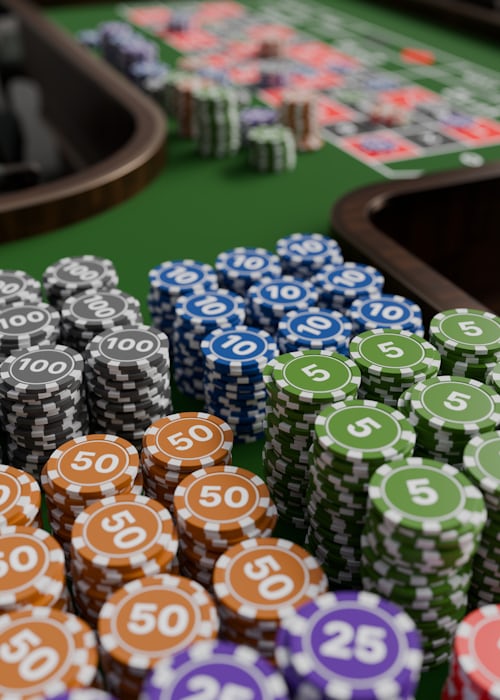
Additionally, the layout of casinos is strategically planned. The positioning of games, such as slot machines and card tables, encourages players to stay longer. This environment creates a feeling of excitement, which can lead to impulsive betting decisions, as players often chase the thrill of potential winnings.
Understanding Risk and Reward
The psychology of risk-taking is central to casino gaming. Players are often drawn to the possibility of significant rewards and the excitement that comes from gambling. The concept of “near misses” in games can also influence behavior; when players feel they are close to winning, it motivates them to continue playing, even if they are losing overall. This periodic reinforcement can create a cycle of continued engagement.
The brain’s response to risk and reward plays a crucial role as well. Neurotransmitters such as dopamine are released when players win, which reinforces the desire to gamble again. This biochemical reaction is a driving force behind many players’ choices, fostering a psychological dependence on the thrill of gaming.
The Role of Social Interaction
Casino gaming is often a social activity that can enhance the overall experience. Many players enjoy the camaraderie and interactions with others, whether it’s competing against friends at a table or celebrating victories together. This social element can provide a sense of belonging and community, further encouraging individuals to gamble.
Moreover, the presence of others can influence decision-making. Players may feel compelled to join in when they see others winning or having fun, which can lead to an increase in wagering. The social dynamics within casinos can thus significantly impact players’ choices and gambling habits.
Emotional States and Gambling Behavior
Emotions play a pivotal role in how and why individuals gamble. Players often gamble to escape negative feelings or to enhance positive emotions. For instance, someone feeling stressed may use gambling as a coping mechanism, seeking relief through the thrill of gaming. Conversely, those in a joyful mood may gamble for the fun and entertainment aspect.
Understanding one’s emotional state can be crucial in making informed gambling choices. When individuals are aware of how their emotions influence their decisions, they may be better equipped to manage their gambling behavior, potentially reducing the risk of developing problematic habits.
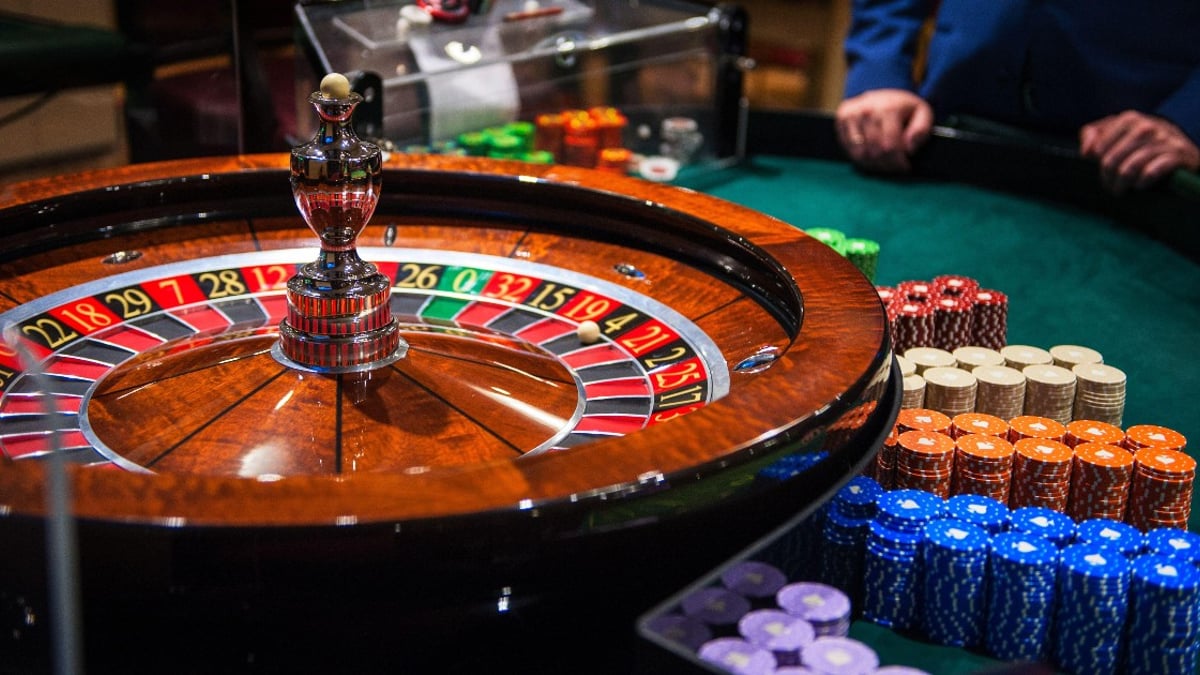
Insightful Resources for Gamblers
This website aims to provide valuable resources and insights for those interested in gambling and casino gaming. By exploring various sections, visitors can find information tailored to their needs, whether they are seasoned players or newcomers seeking guidance. It’s important to approach gambling with a clear understanding of its psychological influences.
As you navigate through the available tools and information, remember that understanding the psychology behind casino gaming can enhance your experience and help you make informed choices. Our goal is to support your journey in the world of gambling by offering the insights you need to enjoy it responsibly.